HERMAN C. SMITH · D.A. SMART · ORAL-HISTORY THREAD
THE BLACK
TERROR.
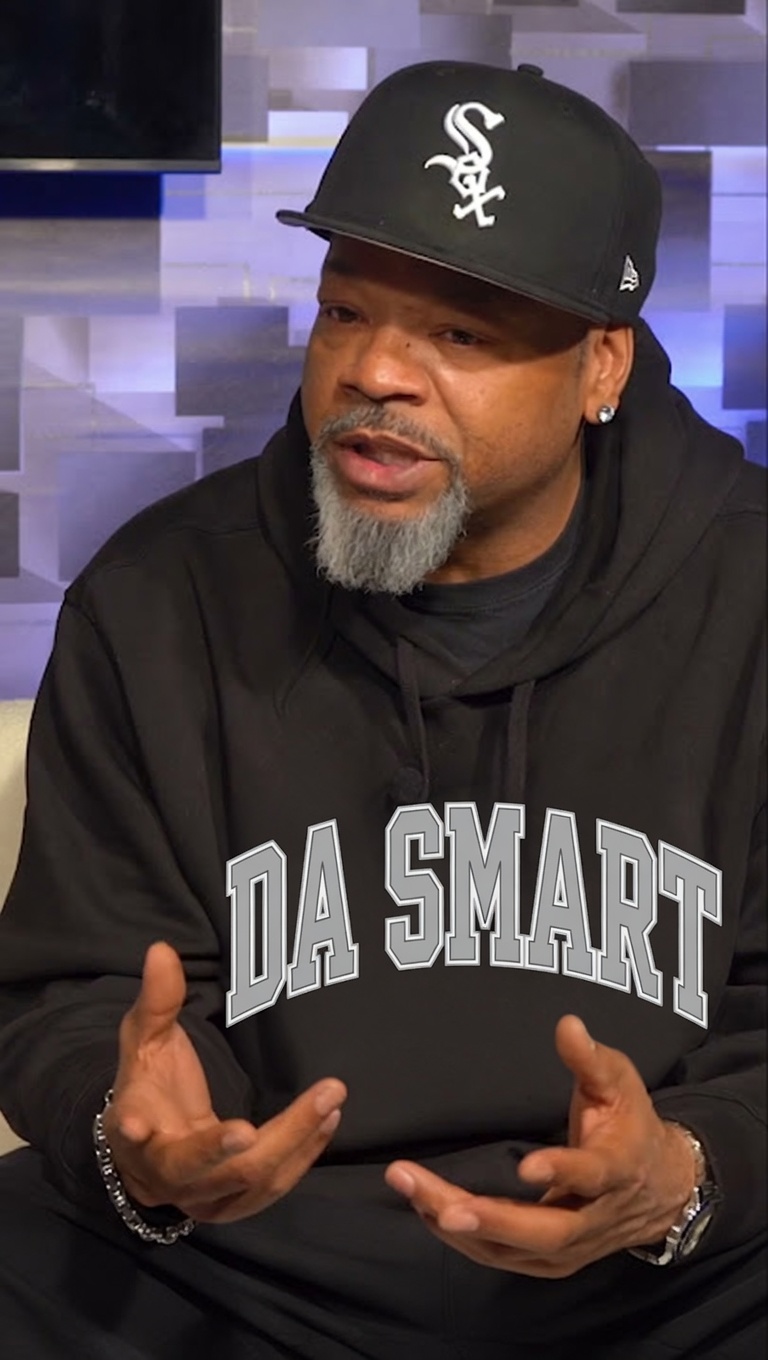
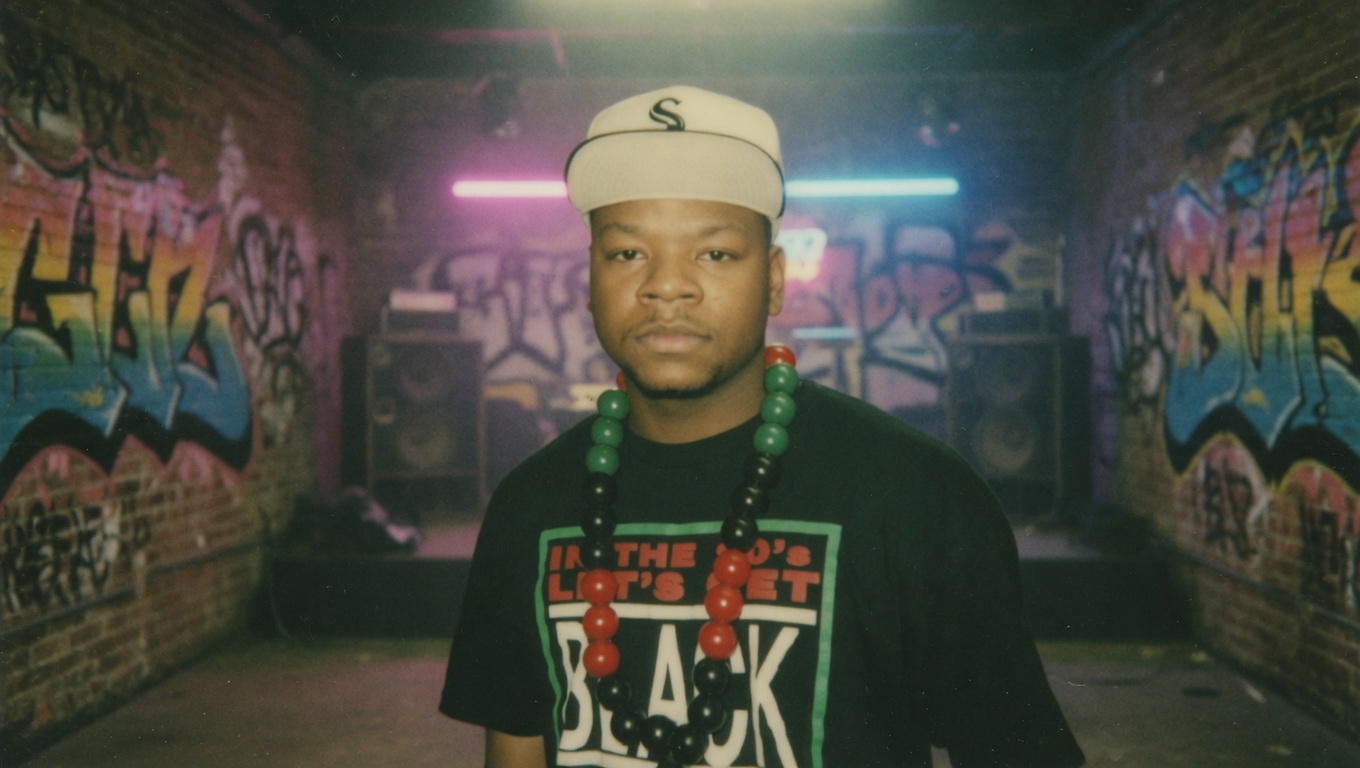
Herman C. Smith’s public story under the name D.A. Smart reaches back to the mid-1980s. A Midway Documentary profile traces the beginning to MC Rock, then to D.F.C. — Dynamic Force Crew — with Kiddo, and to the kind of freestyle reputation that could still change a career before a record deal existed. By the early ’90s, Smart had become known as a battle emcee with enough presence to reach RCA Records.
The major-label chapter did not become the coronation it promised. Midway reports that the project was shelved as the market shifted, and that Wendy Day and the Rap Coalition helped Smart exit the deal. The escape route mattered. It pushed him toward independence, toward C.W.A.L., and toward producer The Legendary Traxster — the Chicago infrastructure around Twista and Do or Die that would help shape his most enduring record.
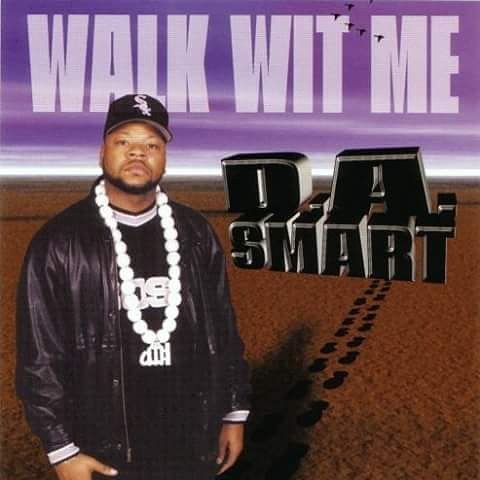
“Walk Wit Me” did not look at Chicago from the skyline. It moved street by street, neighborhood by neighborhood, pressure point by pressure point.
That is why “Walk Wit Me” still lands differently from a generic hometown anthem. Its power is geographic. The record functions like a piece of street-level cartography: a tour through gang territories, danger, survival and the social architecture of the city as Smart understood it. Apple Music’s archival release metadata carries a 1996 Herman C. Smith copyright; other historical profiles date the single’s defining release to 1997. The year shifts depending on the archive. The record’s place in Chicago memory does not.
Smart’s national-history thread runs beside that local one. Midway documents his participation around the 1995 Million Man March and reports that “One in a Million” moved more than 10,000 copies that day. He also appears on “Where Ya At?” from the One Million Strong project beside a remarkable cross-section of rap voices including Ice-T, Ice Cube, Chuck D, RZA, Mobb Deep and others.
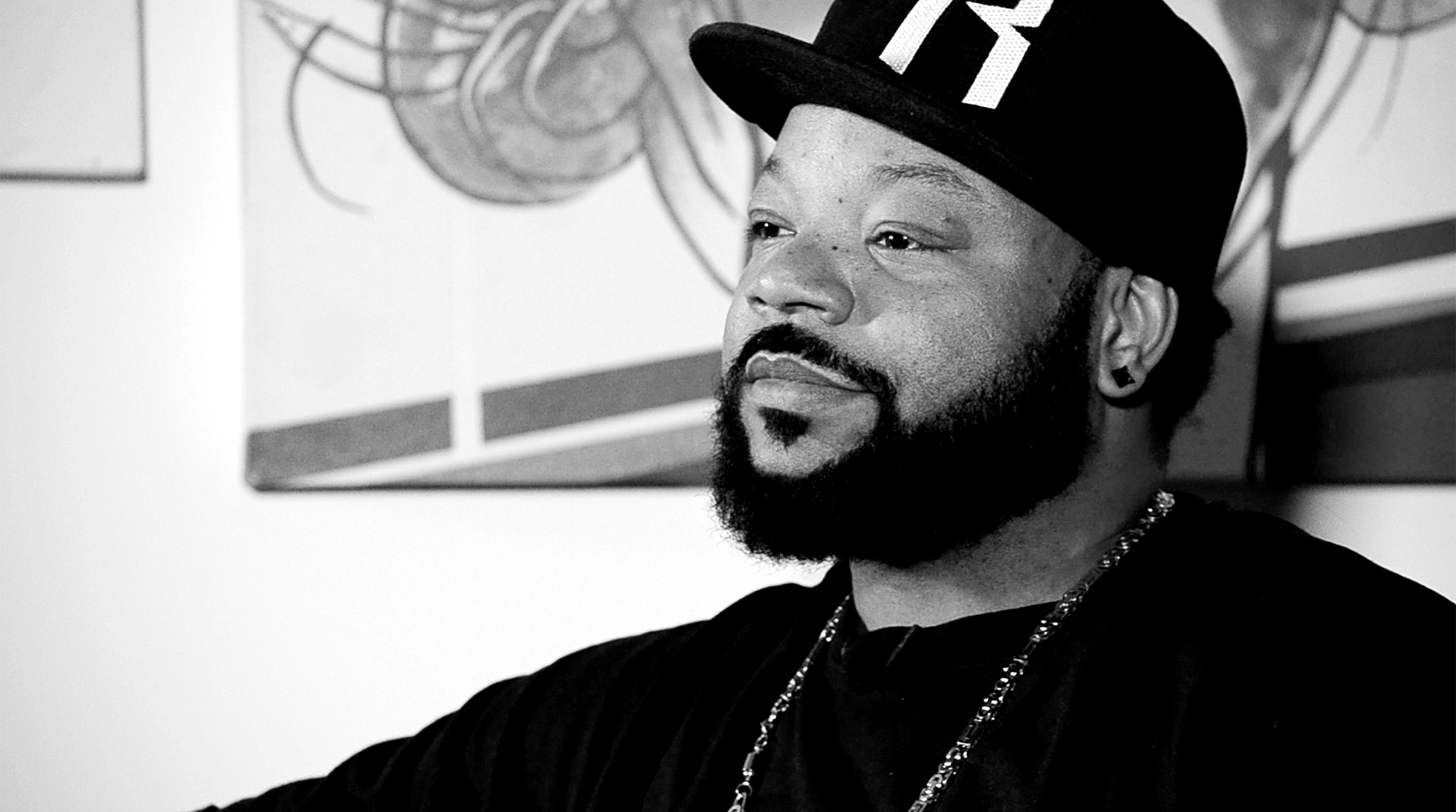
Then the story turns from artist to institution-builder. Smart created Terror Records as an independent home for music and artist development. In his GO BANG! interview, he described the label as an attempt to build a fairer institution for artists and described Control the Mic as a bridge-building platform for Chicago talent. The official Terror Records biography extends that mission into neighborhood outreach and youth creativity. That is the part of the legacy easy to miss if “Walk Wit Me” is treated as the whole story.
By 2025, Urban Grind TV was still bringing D.A. Smart into its OGs of Hip-Hop conversation to talk legacy, lyricism and Chicago history. That matters because the page you are looking at is not an obituary for an era. “2nd Hand Smoke” keeps the line active. The archive is deep, but the artist is still in motion.
’80sTHE FOUNDATIONMC Rock introduces Smart to hip-hop; D.F.C. (Dynamic Force Crew) becomes part of the early chapter with Kiddo.
EARLY ’90sBATTLE REPUTATIONFreestyle ability and live-room presence build Smart’s name in Chicago and help open the door to RCA Records.
1995MILLION MAN MARCH“One in a Million” becomes tied to the march; a Midway profile reports more than 10,000 copies moved that day.
1996–97WALK WIT METhe Legendary Traxster collaboration becomes Smart’s signature Chicago record — part anthem, part survival map, part street document.
’90sWHERE YA AT?D.A. Smart appears on the One Million Strong project beside Ice-T, Ice Cube, Chuck D, RZA, Mobb Deep and others.
2000sOWNERSHIPTerror Records becomes the vehicle for independence, artist development, releases and community-minded work.
2014REIGN OF TERRORTerror Records releases The Reign of Terror compilation, extending the label from personal imprint to a stable of voices.
2025OG STATUS, ACTIVE VOICEUrban Grind TV profiles Smart on The OGs of Hip-Hop; “2nd Hand Smoke” keeps the recording chapter alive.
NOWSTILL IN MOTIONThe catalog, interviews, performances and label work keep extending a Chicago story that began before streaming and outlived several industry eras.